Muckleshoot Tribe hosts national MMIP coordinator gathering
Published 5:20 am Wednesday, December 3, 2025
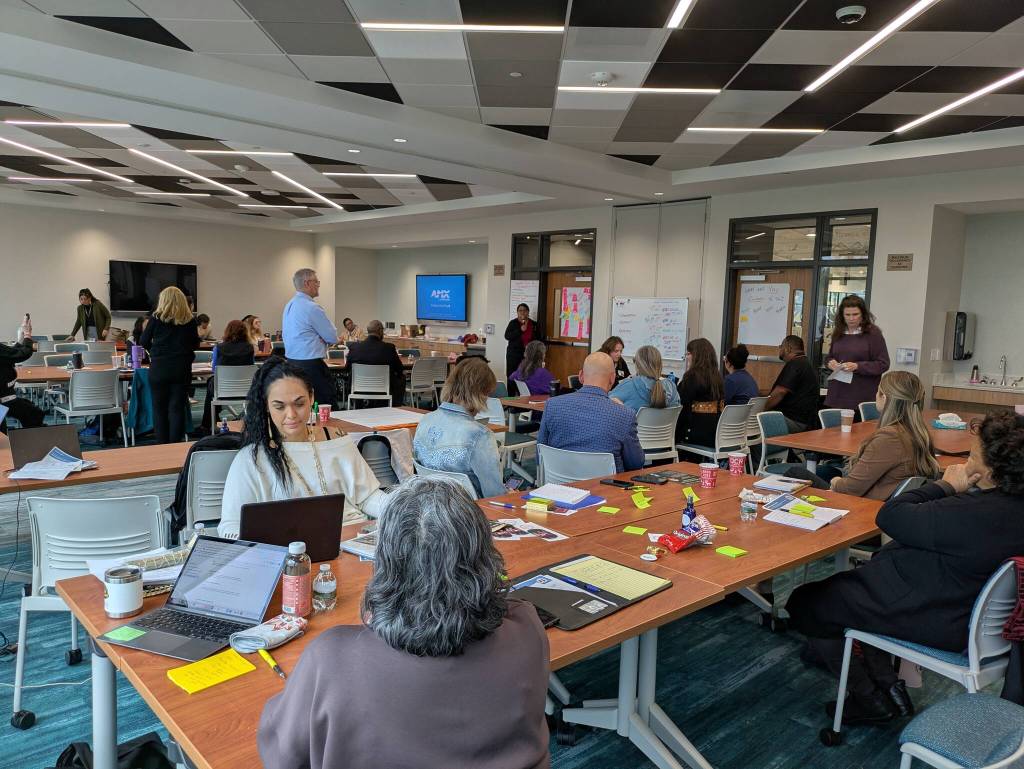
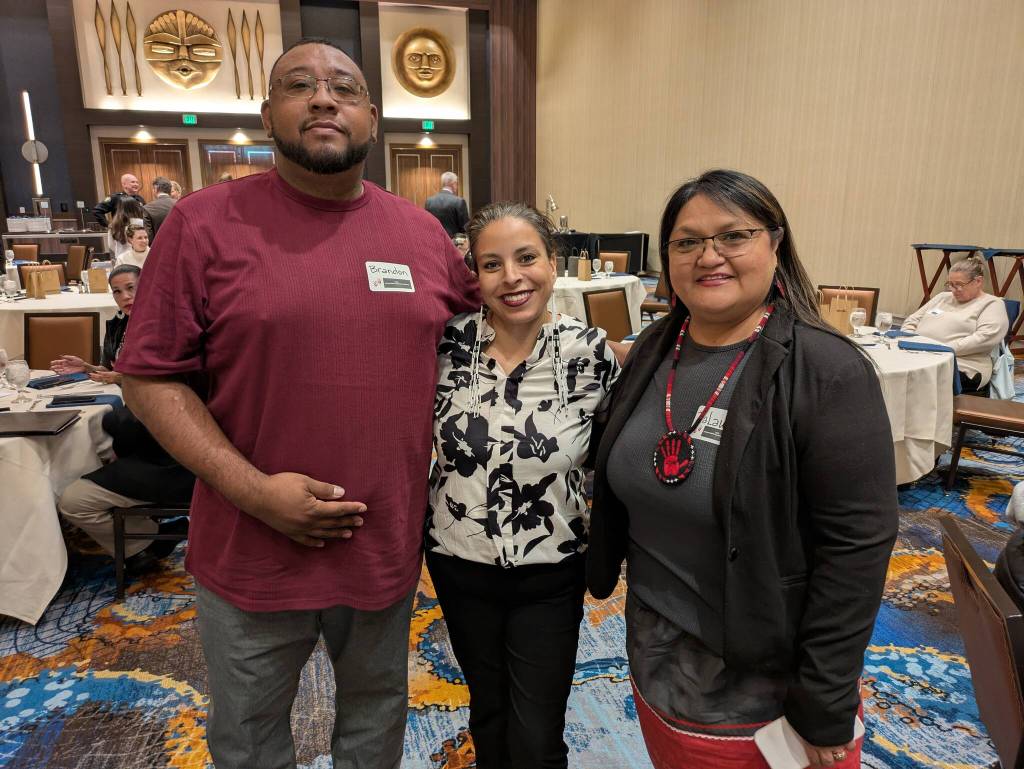
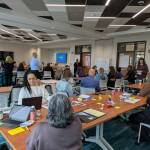
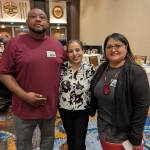
When it comes to the Missing and Murdered Indigenous People (MMIP) crisis, progress has been persistent over the last few years, though the journey still winds.
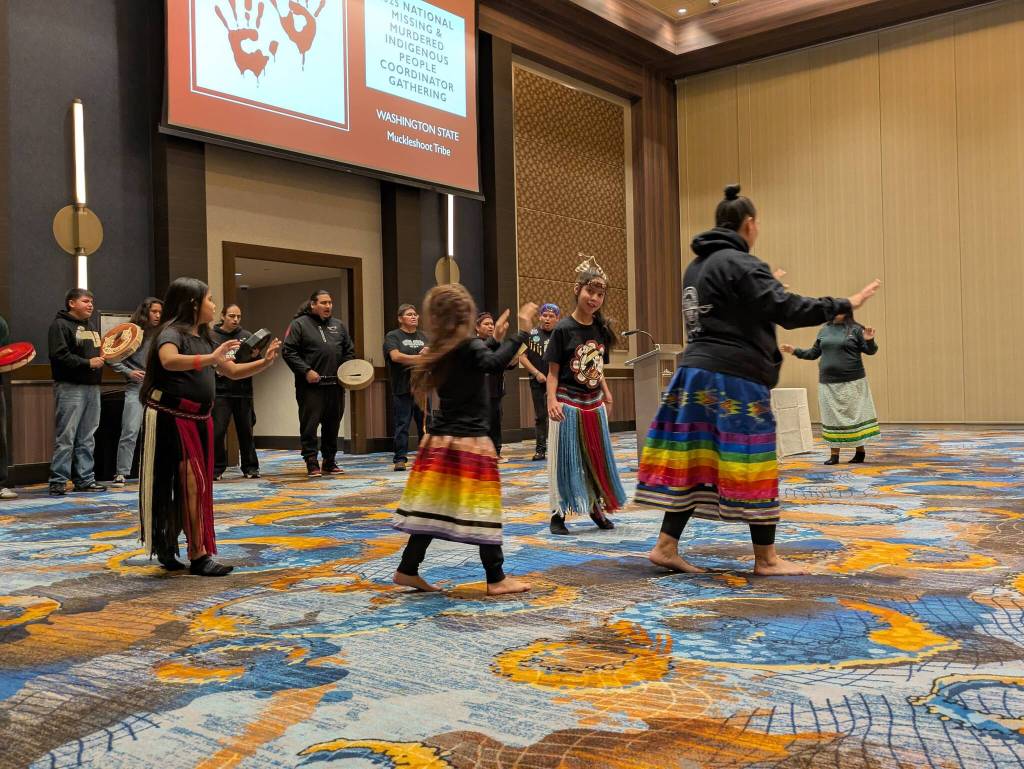
From Nov. 5-7, MMIP coordinators from all over the country joined the Washington State Patrol Director of Public Affairs and Washington State Missing and Murdered Indigenous Women and People (MMIWP).
Coordinator Christ Loftis and other local leaders and law enforcement agencies came together to present and discuss the ways their jurisdictions have worked to combat the crisis — and figure out ways to improve and do more.
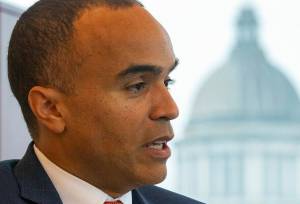
On the first night of the gathering, 47th Legislative District State Rep. Chris Stearns (Navajo) spoke to the crowd, saying that he was grateful that Washington state is a leader against the MMIP crisis.
“In the Legislature, it’s our job to give those a voice who cannot speak loud enough to be heard. I’m proud that we created the MMIWP task force in 2021, passed the Red Alert bill in 2022, and established the MMIWP Cold Case Unit in 2023,” said Rep. Stearns. “These were all groundbreaking efforts to help tribes and victims’ families in the fight for justice and to help break this terrible cycle of violence.”
The inaugural Coordinator’s Gathering took place last year in Arizona and was started by Valaura Imus-Nahsonhoya (Hopi), who said that there was a sense of “uncertainty” when the coordinator positions were being nationally created.
“I needed to know from everyone, ‘What is your actual task? Is my task similar to yours?’” she said. “We discuss not only who we are, what we’re doing in our roles, but also we have the opportunity to talk about our challenges, our barriers and what makes us successful in our programs and in our states.”
Imus-Nahsonhoya said that, while the continuing expansion of MMIP programs and resources has been mostly positive, she has found that it has also made some things difficult for Indigenous families.
“My evaluation of it was that we’re not all on the same page. We’re doing things individually and our survivors and families are more confused, they’re more uncertain, which leads to the mistrust of programs,” she said, describing the different protocols and jurisdictions families in different states have to navigate when contacting law enforcement.
For Loftis, being Washington’s MMIP coordinator became part of his public affairs position with the Washington State Patrol in 2018. He said that, in the beginning, the work was very basic in that it was built from the ground up.
“One of the very basic things that we did in the early days was create the Missing Indigenous Persons (MIP) list and that it just seemed like, ‘Well, that’s obvious, surely you just update a list’ and no, there wasn’t a list before,” said Loftis. “That made national news, and I guess that was an eye opener for me back in 2019-2020 when we were being featured on the national news, simply because we put a list together of the people who are missing in our state who are Indigenous.”
Loftis said that, due to that early work, the task force summits and now the coordinator’s gathering, MMIP coordinators and programs throughout the country can move past what is basic.
“We are getting past the obvious and moving toward the desired and the necessary,” he said, referring to the brainstorms and discussions throughout the gathering’s three days.
For Ana Negrete (Otomi and Ho-Chunk), Minnesota’s Missing and Murdered Relatives (MMIR) coordinator, learning about Washington’s alert has been enlightening.
“What I’m hoping to learn from this conference is [the MIP] alert system. That’s something that we’ve talked about in Minnesota,” said Negrete, who will host next year’s gathering. “I’m hoping to share what we’re doing and hoping to connect with others that have more experience doing some of the things against that we’re facing.”
Imus-Nahsonhoya spoke about the merits of the MIP alert on the first day of the gathering, which took place in the Medicine Creek Room of the Muckleshoot Casino and Resort.
Following a cultural opening ceremony by the Muckleshoot Canoe Family, her presentation on “National MMIP Gathering and National Trends” talked about Washington state’s statistics over the last three years.
From July 1, 2022 (when the MIP alert was first issued) to Oct. 30, 2025, a total of 191 Indigenous people in Washington state have been part of the alert.
Of those 191 people, 171 tribal citizens had been located and five had been recovered, which means that 90% of those who have been part of the alert have been located.
Raising awareness
As of Nov. 17, 10 Indigenous people are missing within the jurisdictions of the Federal Way Police Department, Renton Police Department, Auburn Police Department, Kent Police Department and the King County Sheriff’s Department.
Within the Seattle Police Department’s jurisdiction, eight Indigenous people are missing. Of the 18 total missing Indigenous people within King County law enforcement jurisdictions, three went missing in 2025.
Imus-Nahsonhoya also talked about the work she has been doing prior to becoming Arizona’s coordinator. A victim advocate for over 20 years, her work has led to her and her husband Brandon Nahsonhoya (Hopi) — who also attended the gathering — starting Honwungsi Consulting Services in Phoenix, Arizona, where they provide services related to MMIP, along with domestic violence, sexual assault, human trafficking, youth empowerment and “engaging boys and men in addressing violence.”
According to 2023 data from Centers for Disease Control and Prevention (CDC), homicide is the fourth leading cause of death among American Indian and Alaska Native men and boys ages 1-44, and the sixth leading cause of death among American Indian/Alaska Native women and girls ages 1-44.
As work on the MMIP crisis continues, human trafficking, fentanyl overdoses and domestic violence have revealed themselves to be major factors that contribute to the crisis. Over the remaining two days, which took place at the Muckleshoot Community Center, the MMIP coordinators, liaisons, law enforcement experts and tribal elders (among others) came together to further come up with plans to combat these problems.
The topics of discussion were extensive, from youth preventions to funding for DNA forensics to public awareness.
The groups discussed what has to be done and what people want to be done within the parameters of organization, response, advocacy and prevention, like law enforcement keeping consistent communication and building relationships with families, educating parents on the importance of monitoring their kids’ social media input, properly explaining protocol to families, changing how people see trafficking victims and creating directories.
“My goal of this coordinator gathering is national and it’s gonna become international soon,” said Imus-Nahsonhoya. “It’s really to bring not only coordinators who we are lacking at the table, but our tribal leaders, our state leaders, our federal leaders, our advocates, law enforcement, and other service providers that provide the services to our families and survivors, and come together and not only share who we are, what we do, our roles, our challenges but really to strengthen our collaborations.”
As Brandon Nahsonshoya said: “When we go home we will implement the ideas we’ve come up with here. These are national leaders, everything is coming from here.”