Affordable housing would get more funding under proposed budgets
Published 1:30 am Wednesday, March 4, 2026
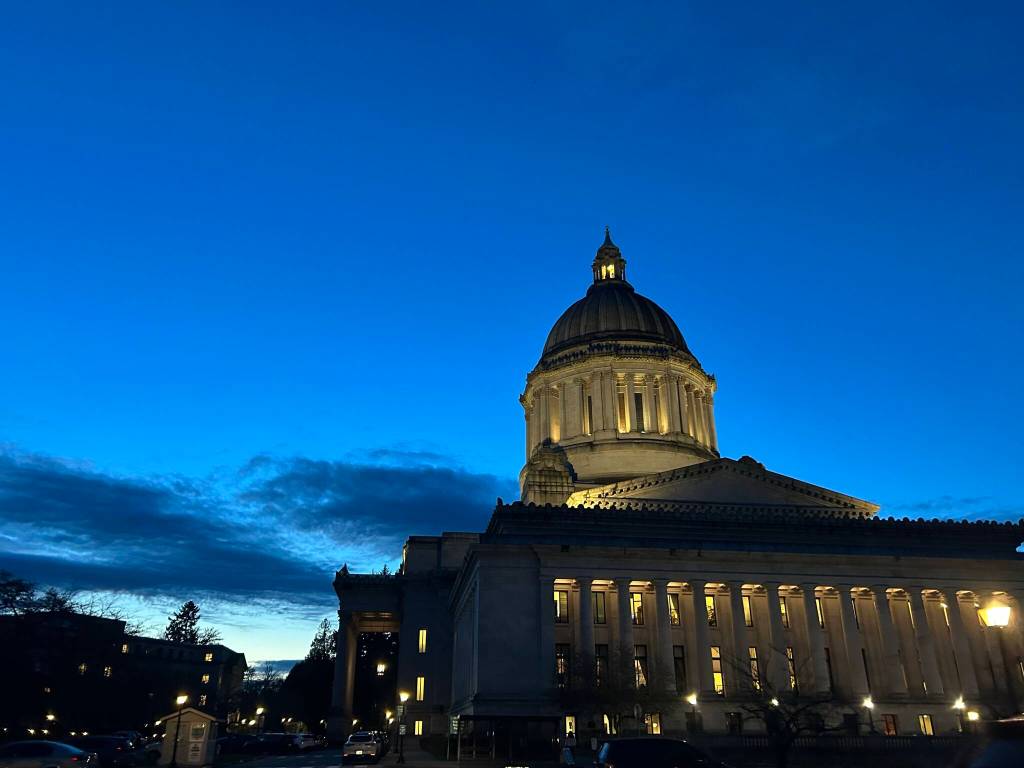
OLYMPIA — State investments of $138 million to about $216 million toward building and preserving affordable housing would build on last year’s $605 million investment.
Washington writes its budgets on a two‑year cycle, or “biennium.” Last year, the legislature approved hundreds of millions in affordable housing investments. This year, the House and Senate each proposed their “supplemental” versions, debating how much to add onto last year’s investment.
The House proposes almost $200 million of their $911 million total proposed capital budget be invested in affordable housing. The Senate proposes to invest $138 million of its $728 million total capital budget in affordable housing.
The chambers will exchange versions, make revisions, and negotiate until they agree on one proposal, which the governor can ultimately approve or issue a full or partial veto.
Rep. Lisa Callan, D-Issaquah, and a House capital budget writer, introduced it as a “great happy budget” with bipartisan support, noting that it has a “strong emphasis on affordable housing.”
The investments come from the state’s “new projects” capital budget account, which is funded through bonds — loans the state takes out to pay for construction projects — and less constrained than other money by this session’s multi-billion dollar budget shortfall.
A majority of both budgets’ housing dollars go to building permanently affordable homes for people earning under 80% of their area’s median income. This is through the Housing Trust Fund, which the 1980s legislature established, granting eligible nonprofits, tribes, and public housing authorities funds to build housing that must stay permanently affordable across the state.
In 2024, 11 of the 48 funded Housing Trust Fund projects were in rural areas, the Washington State Standard reported, and since the 1980s, the Fund has put in place 58,600 housing units.
“Affordable housing saves lives,” Michele Thomas, lobbyist for the Washington Low Income Housing Alliance, said. “It keeps people off the streets, and it ends the experience of homelessness for many people.”
Evictions rose another 3% in Washington last year, to 23,965 total, The Seattle Times reports.
And according to a 2025 report from the National Low Income Housing Coalition (NLIHC), someone earning minimum wage in Washington state needs to work 83 hours per week to afford a one-bedroom rental home.
The legislature addresses the affordable housing shortage, rate of evictions, and overall need through multiple strategies.
In addition to the Housing Trust Fund, the House proposal includes $20 million for preserving manufactured housing communities, which includes many senior-only communities, mobile home parks, and housing for young families. The Senate proposal does not include this.
“It’s a really important affordable homeownership opportunity, especially in more rural areas of the state,” Thomas said. The “preservation” funds support non-profits in buying out those communities and stabilizing their rent before they experience large expense increases, she said.
Both the Senate and House budgets appropriate $100 million this biennium for the Connecting Housing to Infrastructure Program, which provides infrastructure grants to local governments when that infrastructure affects affordable housing.
The state’s first rent stabilization bill, capping rent increases at 10% for residential properties and 5% for manufactured housing communities, passed in 2025’s legislative session.
Washington needs about 50,000 new homes every year to keep up with population growth, and more than half of those need to be affordable for low-income residents, according to a 2023 report from the Department of Commerce.
–
The Washington State Journal is a nonprofit news website operated by the WNPA Foundation. To learn more, go to wastatejournal.org.